The Marudhar Express to Jodhpur rumbled in to Kanpur Central 10 hours late.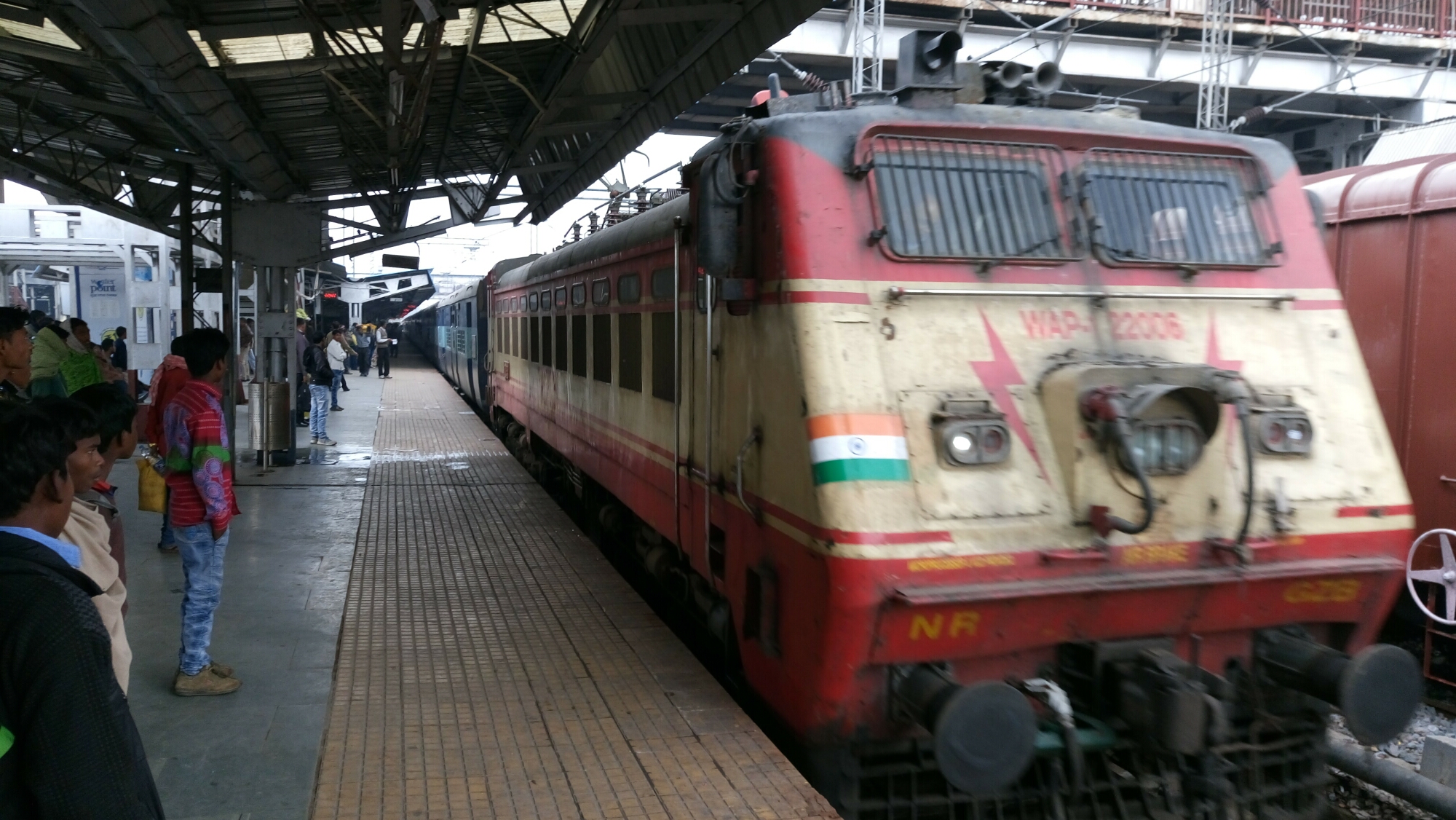
Yes you read that correctly. 10 hours not 10 minutes. This was neither surprising or especially unwelcome to us – since returning from the previous night’s cricket we had been tracking the progress of the train online. In the curious mix of high and low tech on India’s railways, as long as the server is up, you can easily check just how ridiculously late your “express” train will be. In fact we had done the research on this particular train and were counting on it being horrendously late – otherwise we’d have been boarding at 2am.
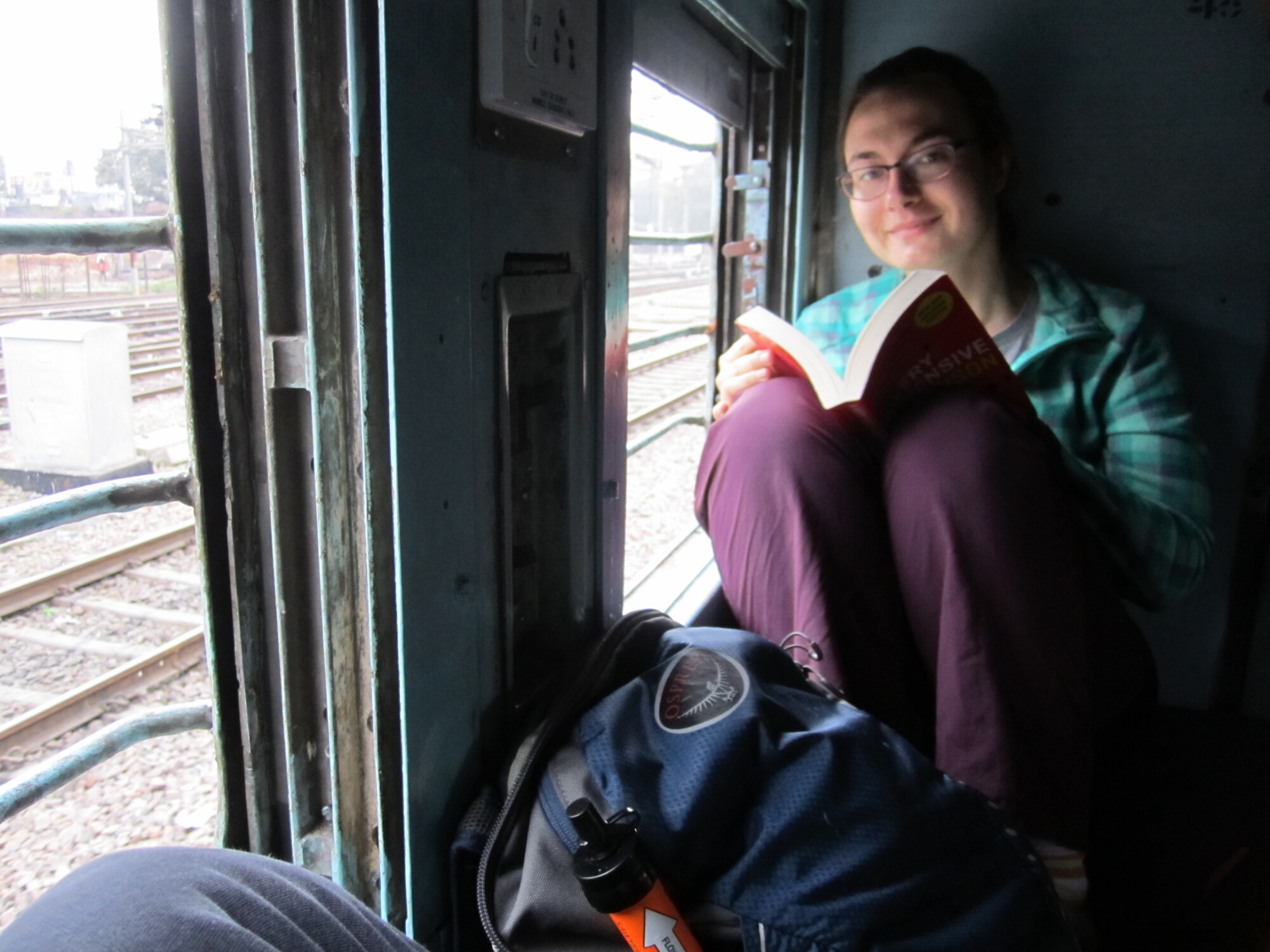
The journery was initially very pleasant in India’s most basic “sleeper” class. The open, barred windows gave good views and let in a pleasant, cooling wind. Our nearby travelling companions were very pleasant and friendly to us despite speaking next to no English, and we enjoyed cup after cup of chai when the train pulled through stations and sellers boarded. Crossing the river before Agra we were suddenly innundated by people rushing to our side of the carriage hoping to catach a glimpse of the Taj Mahal. At night however the situation changed; the carriage became bitterly cold thanks to the windows not fully closing and being not prepared for this temperature we arrivedin Jodhpur after a patchy night of sleep.
Jodhpur is known for its blue buildings and a very impressive fort, which towers over the city. Colour was associated with brahims – scholars. it used to be that only their families could paint houses blue, but these days anyone may huge number of people do. also said repel insects, perhaps expains a bit the popularity. Viewed from vantage point fort city does indeed look blue. The fort was imensley impresssive. It’s on top of a huge rock formation, looking as if it grew out of it, being of the same stone. It tower over the city. It’s walls are taller than of any European castle we’ve seen, or perhaps that’s just the illusion created by the narrow gorge like entance to the fort. The fort is ornately decorated, both inside and out. It is sometimes referred to as the palace of the birds – sadly these days the birds occupying it seem to be principally the common pidgeons, though we did spot a green bee eater amongst them.


Next to the fort is a small lake surrounded by a collection of small (and one bigger) mausoleums of the maharaja family of Johdpur. The mausoleums are made of white marble and stand out from the creamy, dusty background of their surroundings.
We departed Jodhpur as we arrived; this time in a far more crowded train, with people lining the corridor, many of whom made a hasty retreat to the unreserved sections of the train when the ticket officer appeared suddenly. However before reaching our final destination the carriage suddenly and miraculously emptied at one small station, leaving us and one young Indian couple the entire carriage to ourselves. Apparently there was some temple that everyone was making a pilgrimage to. We chatted for the remaining hour and a half with our only remaining companions as the train pulled through the desert into Jaisalmer station.

